
Creating Capacity Before Creating More Buildings
The client operated several manufacturing units with different product mixes, layouts and support structures. Although floor area existed, capacity was constrained by low machine density, fragmented operations and repeated movement between sewing, finishing and value-add processes.
Cent Edge began with a capacity-and-space diagnostic across the factory network. The analysis compared installed machines, usable area, space per machine, product compatibility, process adjacency and throughput requirements. This established where additional capacity could be created through reengineering rather than construction.
One facility was redesigned as a dedicated knitwear factory. Its machine capacity increased from 800 to 1,410, while monthly production capacity rose from 3.2 lakh to 5 lakh pieces. Space utilisation improved from 218 to 147 square feet per machine by reorganising the footprint and aligning the layout with product flow.
Two compatible units were consolidated into a single operating structure. Installed machines increased from 834 to 1,040, with capacity reaching 4.1 lakh pieces per month. The consolidation reduced duplication and enabled a more integrated management and support model.
A third initiative combined two operations and introduced hanger-line flow. Machine capacity increased from 320 to 450, while space per machine improved from 188 to 134 square feet. Printing, embroidery, washing and finishing were positioned as part of the end-to-end flow to reduce movement and strengthen throughput visibility.
The programme demonstrated that capacity enhancement is not only a capital-investment decision. Factory specialisation, layout engineering, consolidation and process integration can unlock significant output from the existing asset base while reducing overhead duplication and improving operational scalability.
Business Outcomes
Higher installed capacity within the existing building footprint
Improved monthly output without a proportionate increase in space
Lower space requirement per machine
Reduced duplication of infrastructure and support activities
Better process adjacency and shorter material movement
Clearer product specialisation and improved scalability
Recommended Website Presentation
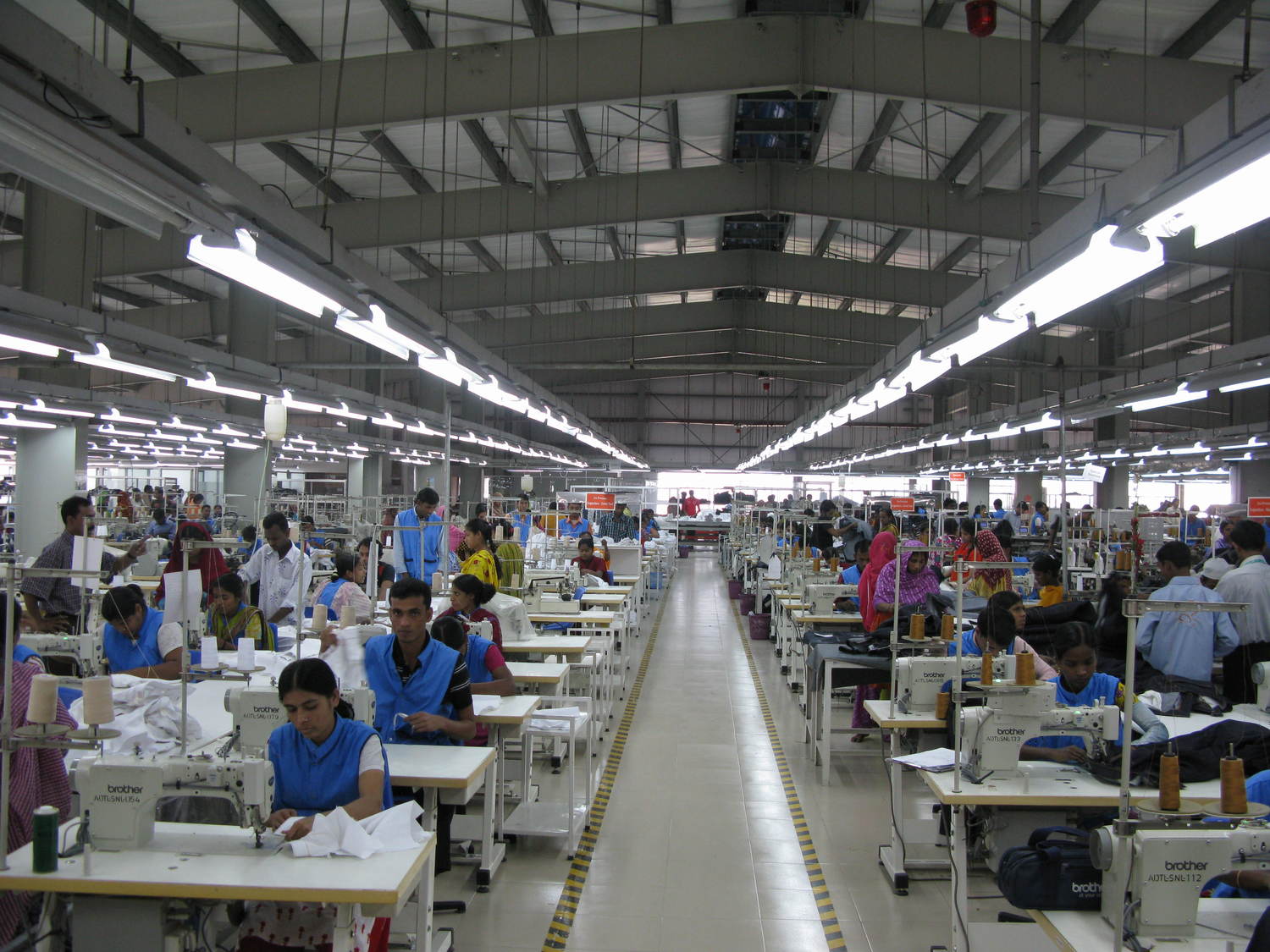
Use the opening metric strip above the fold. Present The Challenge and Cent Edge Methodology in two columns, followed by the six-row results table. Place the detailed narrative under the heading How Capacity Was Unlocked. Use an anonymised factory-layout or production-floor image unless client approval has been obtained.